
The Jet Spray Repeller
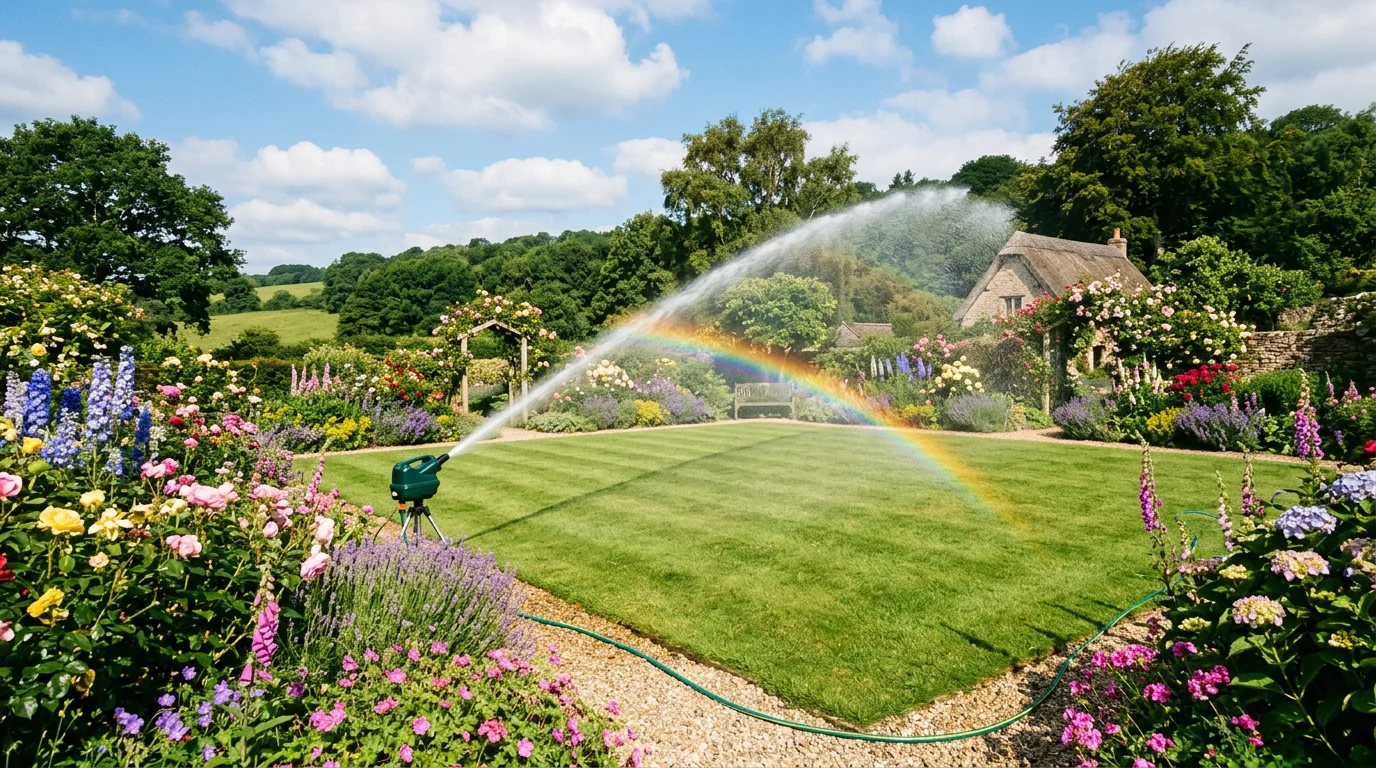
A startling, harmless burst of water – three to five seconds, aimed exactly where the cat, fox or heron is standing. Almost every visitor gives up after a single encounter, and gardeners rate the PestBye Jet Spray as the most fun to install too.
Ultrasonic, solar and indoor companions
Many gardeners combine the jet spray with silent ultrasound stakes or a plug-in indoor repeller for full coverage.
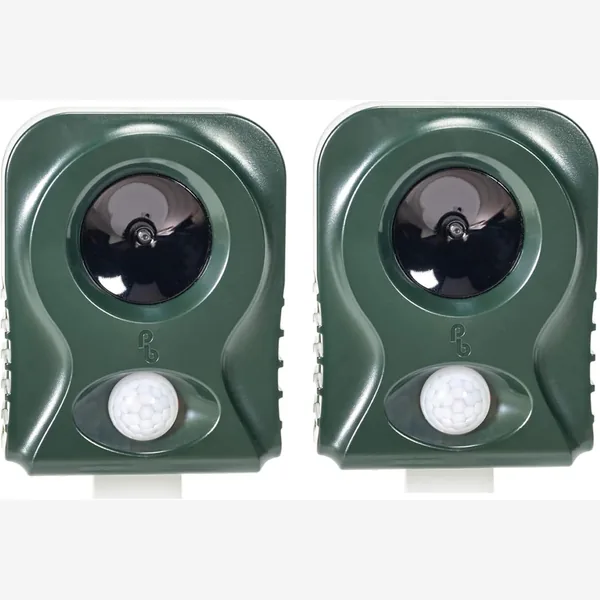
Battery Operated Cat Repeller V2 (Twin Pack)
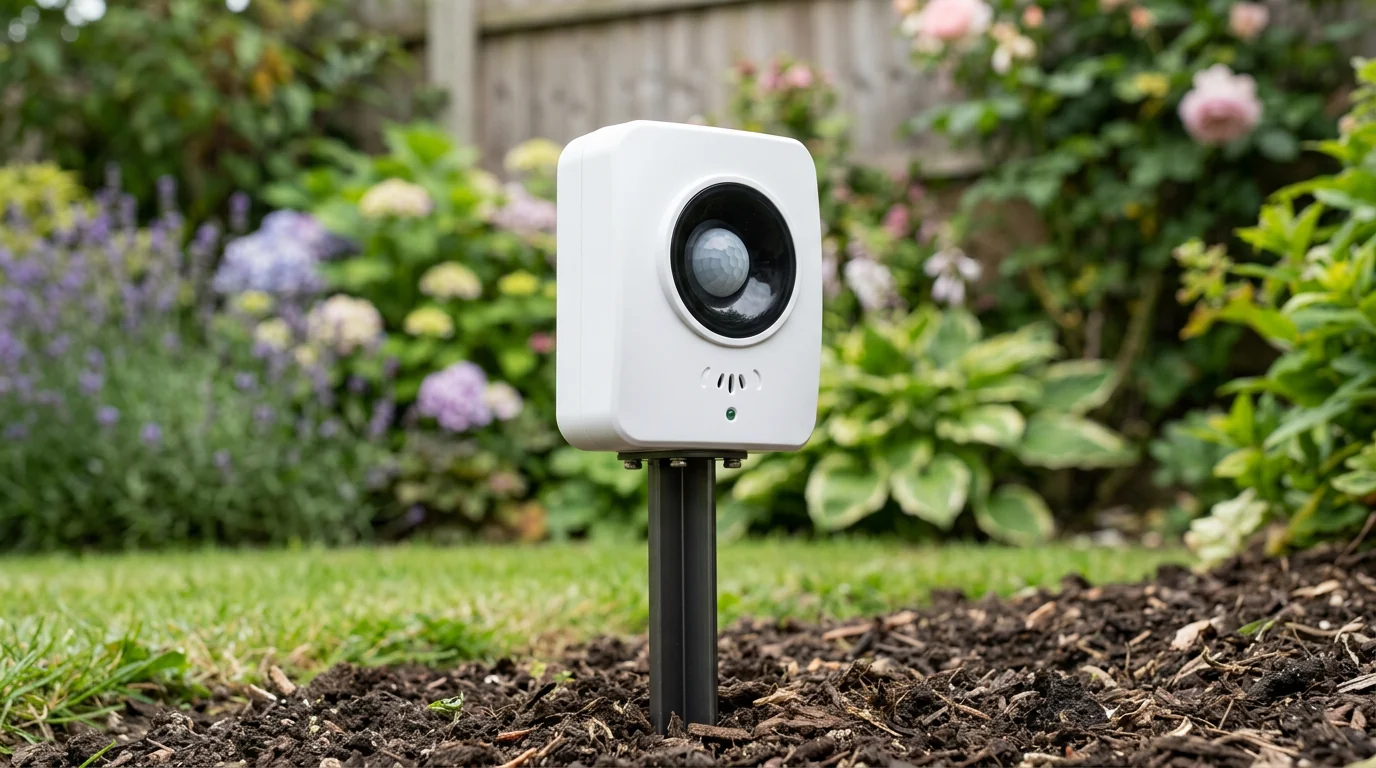
Twin-pack ultrasonic stakes with HyperResonance sweeping and PIR detection—ideal when neighbourhood cats will not leave beds or lawns alone.
Check Price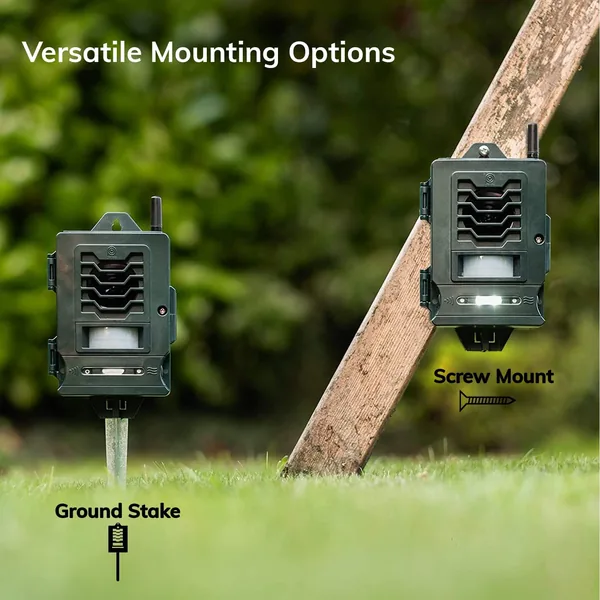
Ultrasonic Smart Link Solar Cat Repellent
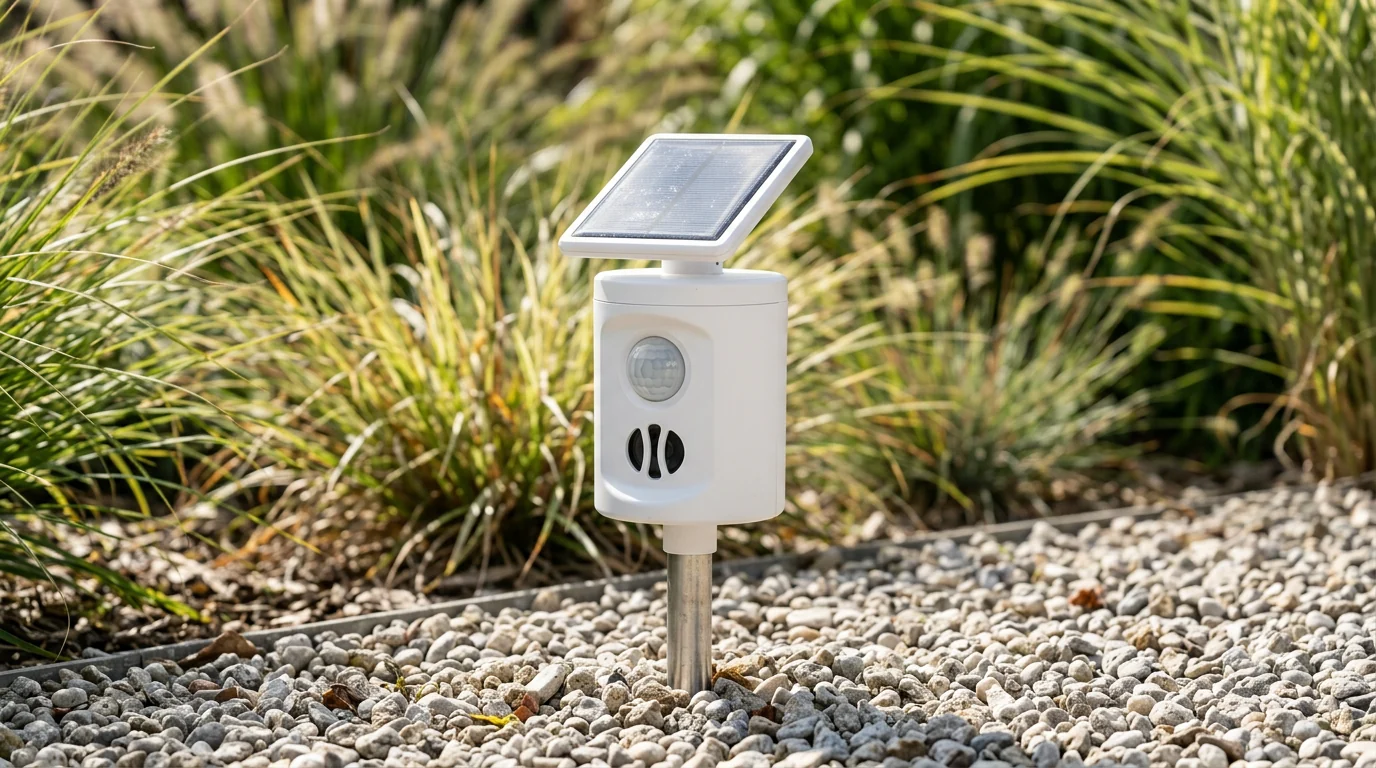
Solar-charged waterproof stake with SmartLink pairing so several units fire together and cats cannot dodge a single point.
Check Price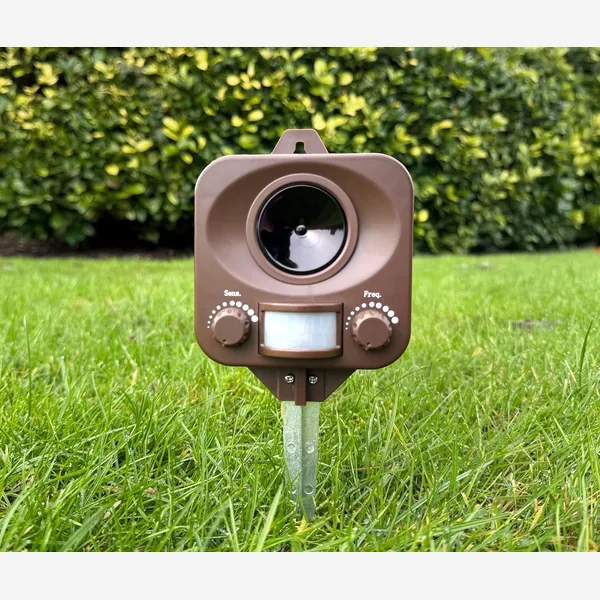
Battery Fox Repellent (waterproof)
Ground-stake fox scarer with motion-triggered ultrasonic output tuned for larger mammals visiting lawns after dark.
Check Price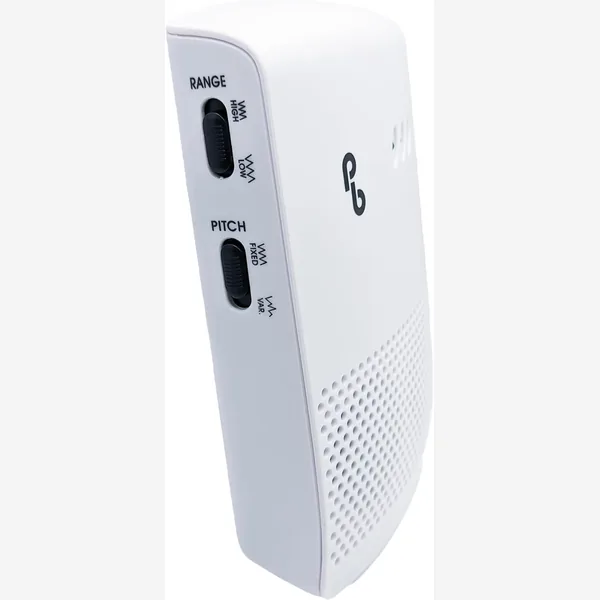
Advanced Whole-House Rat & Mouse Repeller
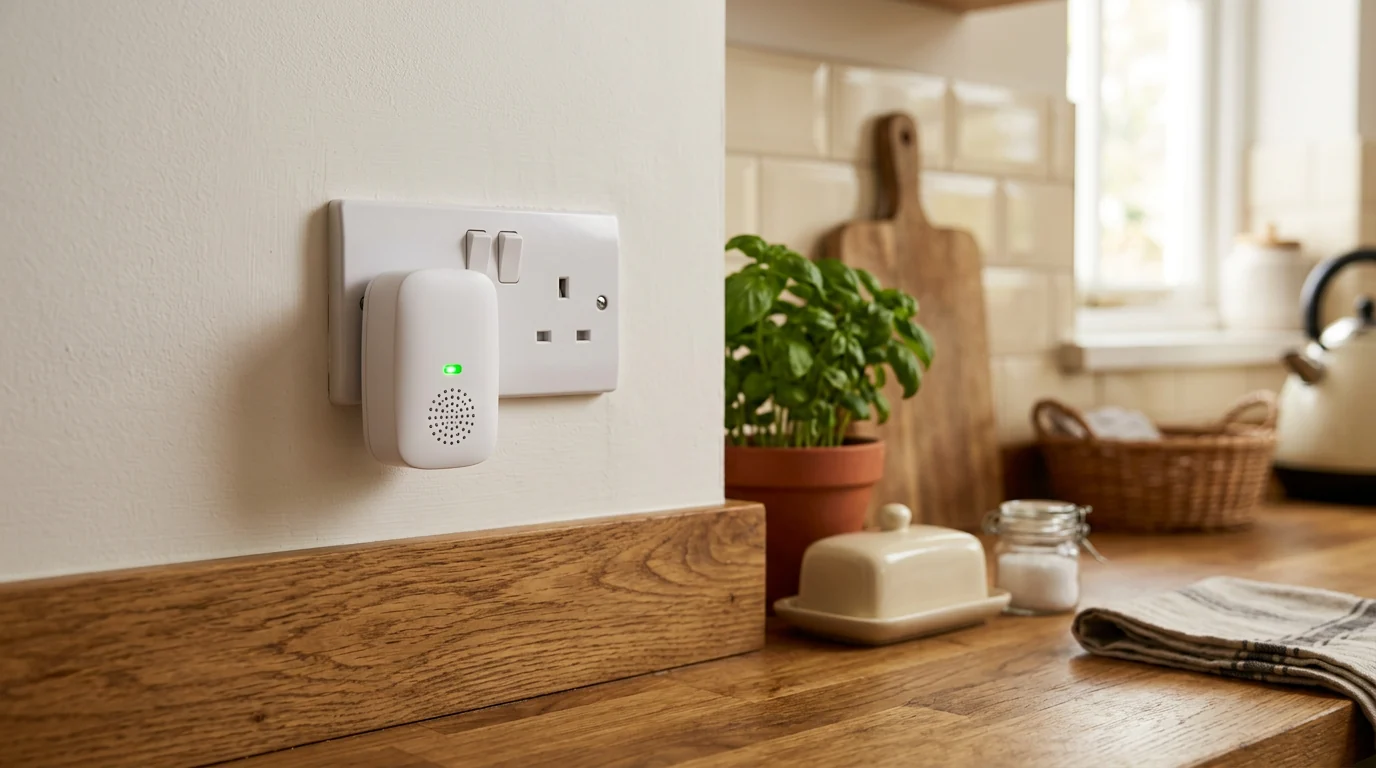
Plug-in ultrasonic and electromagnetic repeller designed to disturb rodents along ordinary household wiring runs indoors.
Check PriceWhy water works
Almost every unwanted garden visitor shares one simple preference: they don't like being wet. Cats particularly hate a sudden splash on their coat. Foxes are very wary of it. Herons hunting your pond are immediately spooked. Crucially, water causes no injury whatsoever, which is why the Jet Spray is often recommended by welfare-conscious gardeners who are uneasy about any device that emits noise.
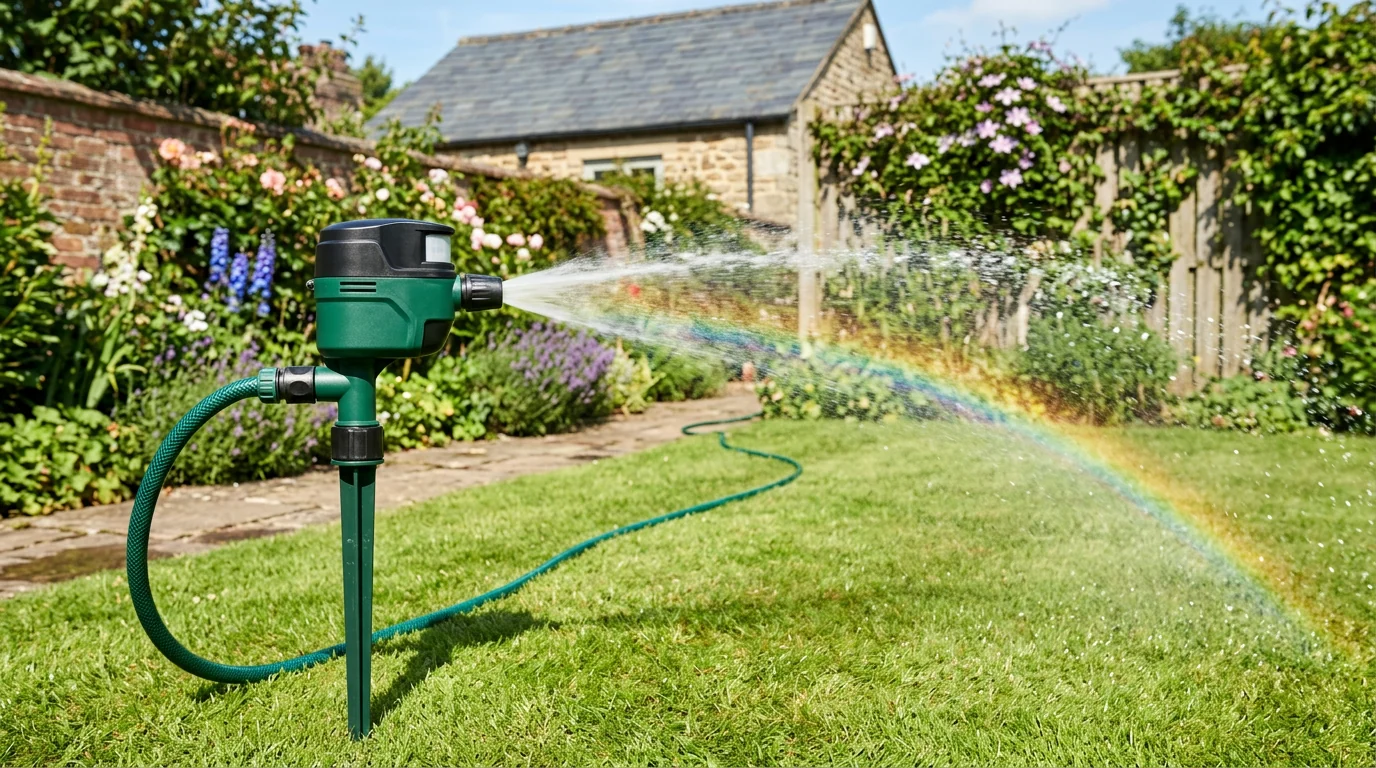
The PestBye Jet Spray Repeller is a motion-activated sprinkler. It attaches to a normal garden hose, sits on a short ground stake and watches an 80° arc of your garden. When something crosses the arc, it fires a rapid burst of water – typically three to five seconds – in a narrow jet aimed at the intruder. By the time the animal has worked out what happened, the spray has stopped and it has already retreated.
What makes the Jet Spray different from cheap copies
The market is full of basic motion sprinklers that simply open a valve for as long as motion is detected. The result is either a half-hearted dribble or a flooded border. The PestBye Jet Spray works differently:
- Timed burst, not continuous flow. A short, sharp 3–5 second pulse is far more startling and uses a fraction of the water.
- Adjustable PIR sensitivity. Turn it down in windy weather to avoid swaying plants triggering it; turn it up for stealthy approaches at night.
- Directional nozzle. A narrow jet aimed at the intruder rather than a cloud of mist across half the lawn.
- Night mode. Run the unit only after dusk if your problem visitor is a fox or hedgehog-disturbing cat.
How much water does it use?
A typical 3-second burst uses roughly 0.5 litres of water. Even in a busy week with, say, twenty triggers a day, that works out to around 70 litres – less than a single garden-hose session. Because animals quickly stop visiting after the first few encounters, actual daily usage tends to drop off rapidly within the first two weeks.
Best use cases
The Jet Spray excels in four particular situations:
- Ponds. Nothing clears a heron or a cat fishing by your koi like a jet of water. This is probably the single most popular use.
- Fruit and vegetable beds. Protect strawberries, sweetcorn and soft fruit at the moment an animal dips its head down.
- Lawns that are being used as a toilet. A single burst interrupts the behaviour at exactly the right moment – which is far more effective than punishing the animal after the fact.
- Fox-proofing a specific route. Foxes that trot along a favourite fence line can be redirected in days.
Installation
The Jet Spray installs in minutes:
- Push the ground stake firmly into soil or a border.
- Attach a standard garden hose to the inlet on the side of the unit.
- Aim the nozzle where you want the water to land – usually 2–3 metres ahead of the stake.
- Adjust the sensitivity dial and day/night switch on the underside.
- Turn the tap on at the wall.
Most gardens already have a tap and hose routed to where a pond or a problem border is – the Jet Spray is designed to plug straight into that existing plumbing. If you need a new hose run, a simple "Y" splitter on your tap lets the unit stay connected permanently while you still use the hose for watering.
Will it hurt the animal?
Absolutely not. The spray is ordinary cold tap water at normal garden-hose pressure. The sensation is closer to being caught in the edge of a sprinkler than being hosed down. The startle response, not the wetness, is what changes the behaviour. The RSPCA and other UK welfare bodies are comfortable with motion-activated water deterrents, and they are explicitly endorsed in the government's Code of Practice for the Welfare of Cats as a humane way to manage roaming cats.
Winter and frost
Like all hose-connected garden devices, the Jet Spray must be drained and stored inside before hard frost, from roughly late October to late February in most of the UK. A frozen valve can crack the inlet, which is the only common failure mode we see. Owners in milder coastal climates (Cornwall, South Devon, the Isle of Wight) often run them year-round with no issue.
Battery life
The PIR sensor and valve electronics run on 4 × AA batteries, which last the entire UK spray season – roughly March to October – on a single set. The hydraulic valve itself requires no external power.
Is it noisy?
The only noise is the brief hiss of water and a small click as the solenoid opens. Unlike some pyrotechnic or compressed-air deterrents on the market, there's nothing to disturb your neighbours. For anyone who is anxious about the buzz of an ultrasonic deterrent possibly reaching indoor pets, the Jet Spray is the gentlest option on the whole PestBye range.
Summary
If you have a specific, obvious target – a pond, a favourite digging spot in a border, a fox's fence-line trot – the Jet Spray is probably the single most effective product we sell. It is visibly doing something, which customers find deeply satisfying, and it changes behaviour fast without any physical harm. Pair it with an ultrasonic stake on the other side of the garden, and the problem tends to disappear within a fortnight.
Set it up once. Enjoy your garden again.
Pair the right deterrent with the right sensor placement and British gardeners consistently see a calmer, tidier garden within a fortnight.