
Frequency Settings Explained
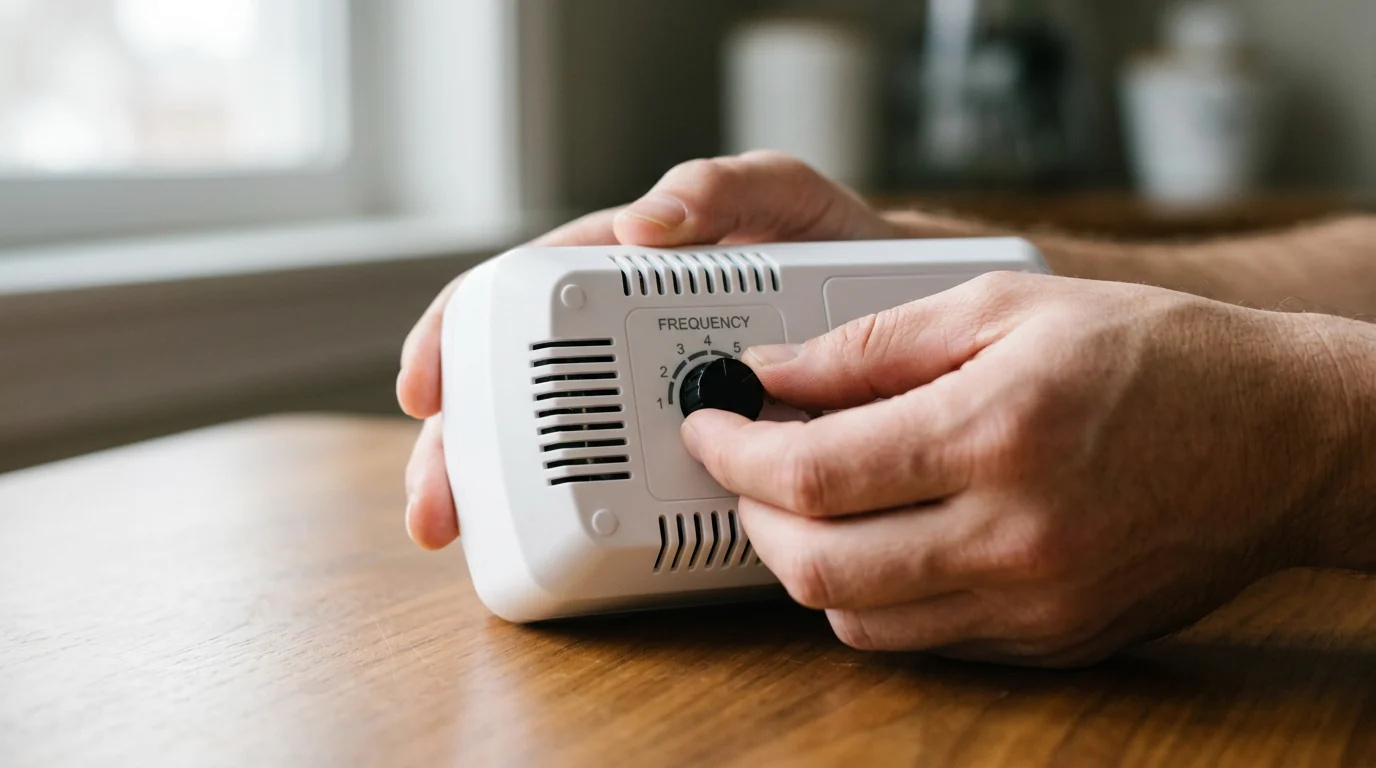
The dial on the back of your PestBye unit isn't just for show. Pick the right setting for the animal you're trying to deter and results come far faster. Here's what each band does and how to choose.
Popular PestBye deterrents
These are the listings gardeners open most often while dialling in frequency bands—use Check Price for live figures.
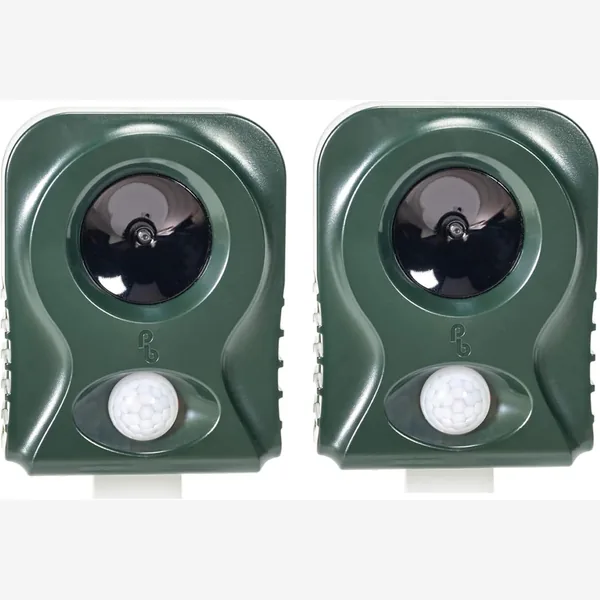
Battery Operated Cat Repeller V2 (Twin Pack)
Twin-pack ultrasonic stakes with HyperResonance sweeping and PIR detection—ideal when neighbourhood cats will not leave beds or lawns alone.
Check Price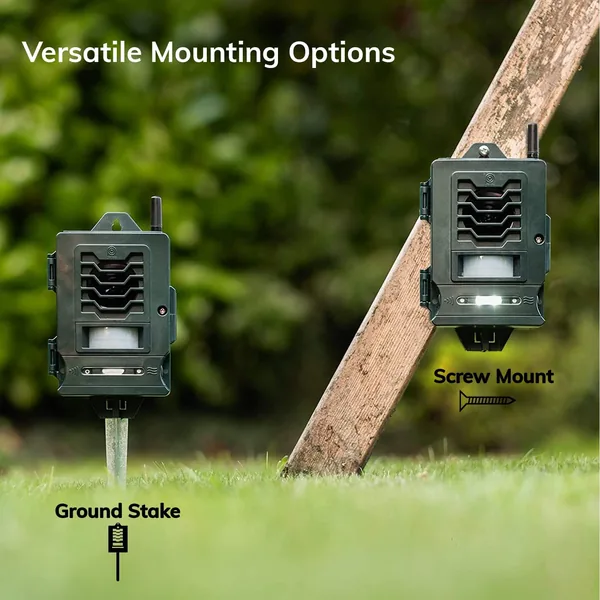
Ultrasonic Smart Link Solar Cat Repellent
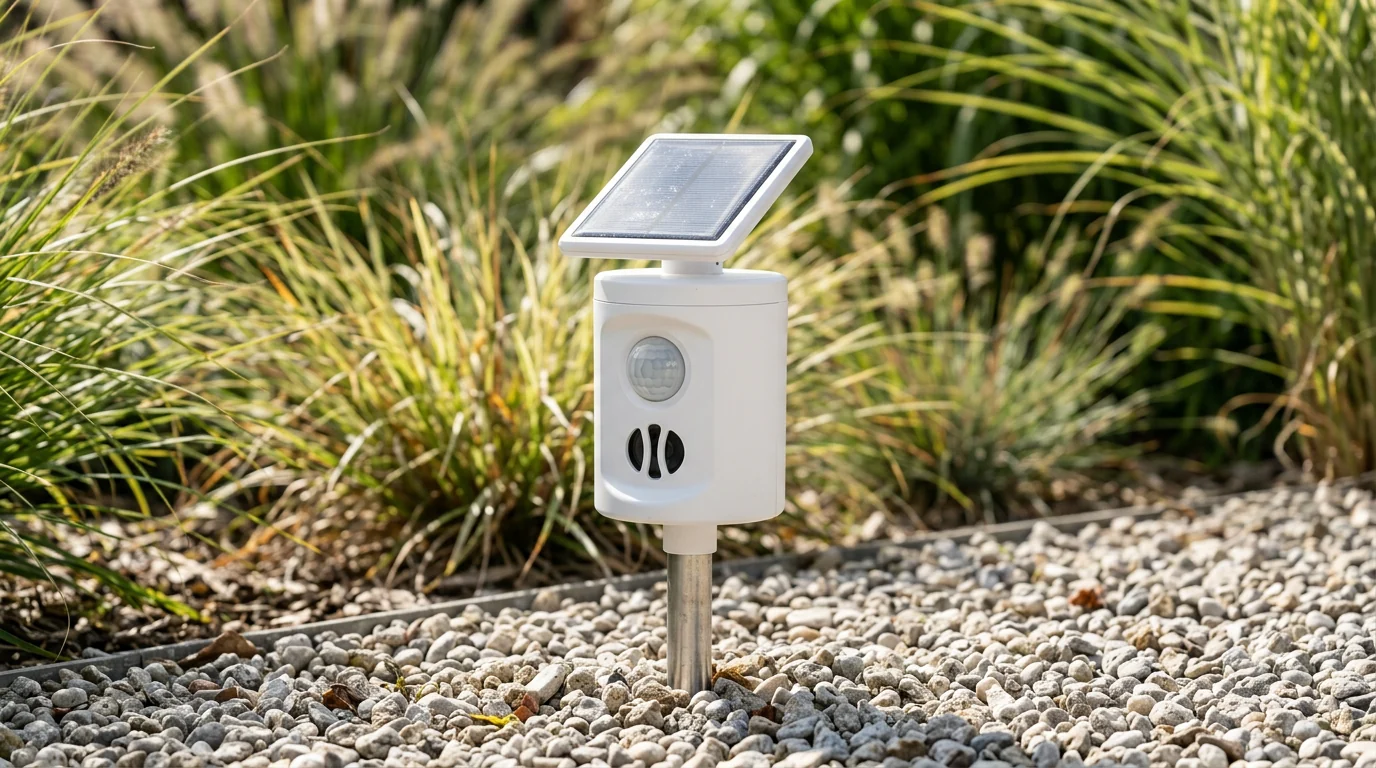
Solar-charged waterproof stake with SmartLink pairing so several units fire together and cats cannot dodge a single point.
Check Price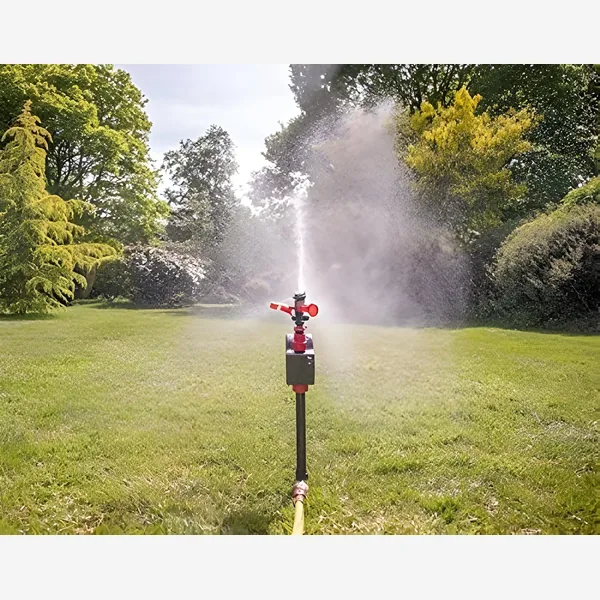
Jet Spray Motion Repeller (hose)
Hose-fed motion sprayer that fires a harmless five-second burst when wildlife crosses the sensor arc—highly visible deterrence.
Check Price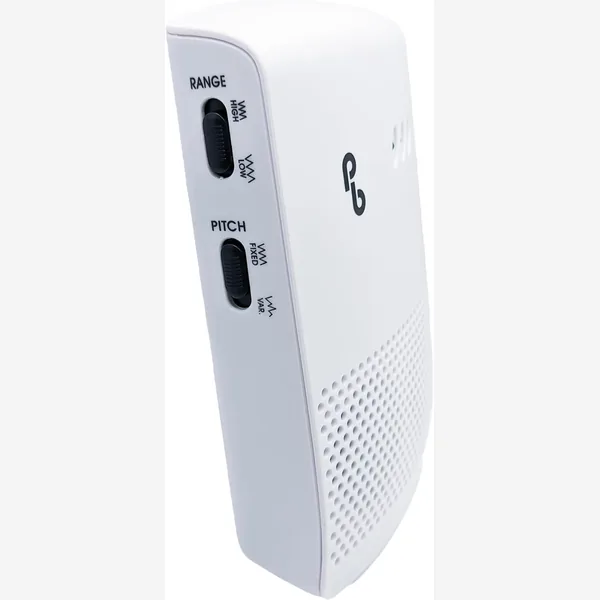
Advanced Whole-House Rat & Mouse Repeller
Plug-in ultrasonic and electromagnetic repeller designed to disturb rodents along ordinary household wiring runs indoors.
Check PriceWhy frequency matters
Different mammals hear different parts of the ultrasonic spectrum best. A frequency that irritates a cat may be too high for a fox, and a frequency that bothers a rat may be almost inaudible to a grey squirrel. The PestBye dial lets you pick the band that is maximally uncomfortable for the target animal and minimally bothersome for everything else.
Getting the setting right also means your unit fires at roughly 5 dB higher effective pressure at the target ear, which translates into faster behaviour change. In practice, that often means the difference between a cat leaving after two weeks versus four.
The bands at a glance
Most PestBye outdoor units have five settings. Indoor plug-ins have fewer, because rodents don't need the full range.
| Setting | Frequency | Best for |
|---|---|---|
| 1 | 13–18 kHz | Deer, wild dogs, urban foxes |
| 2 | 15–20 kHz | Foxes (primary), larger mustelids |
| 3 | 18–24 kHz | Cats – the most common setting |
| 4 | 24–31 kHz | Grey squirrels, martens, mink |
| 5 / HRF | HyperResonance (13–31 kHz) | Mixed gardens, repeat offenders |
What is HyperResonance Frequency?
Setting 5 – HRF – is the single most powerful weapon in the range. Instead of staying on one frequency, the unit sweeps across the entire spectrum from 13 to 31 kHz within a single 8-second burst. That means the target animal can never predict where the next unpleasant note will land, and it can never habituate. Every trigger feels fresh and unwelcome.
HRF is especially useful when:
- You have more than one type of visitor – say, a cat in the day and a fox at night.
- The animal has been visiting for months and standard settings produced only partial results.
- You are unsure which species is causing the damage.
The trade-off for HRF is slightly higher battery consumption, because the unit is running a wider emitter cycle. Owners who leave the unit on HRF year-round can easily solve that by switching to the solar stake, which harvests daylight.
Cat-specific guidance
For the classic "neighbour's cat using my lawn as a toilet" problem, Setting 3 (18–24 kHz) is the right answer. Leave it for two weeks. If you still see no change, move up to HRF for another two weeks. If you're trying to deter a specific cat that is particularly bold, it is often worth aiming the unit slightly lower and 30–40 cm off the ground, because the sound cone reaches ears best at ankle height.
Fox-specific guidance
Setting 2 is designed for foxes, but the honest rule of thumb is: try HRF first. Urban foxes are smart, and they sometimes resist a single-frequency deterrent that worked fine on rural ones. If HRF succeeds (which it almost always does within three weeks), you can then step down to Setting 2 to conserve batteries.
Squirrels, martens, mink
Setting 4 is tuned for the higher range at which grey squirrels, pine martens and mink are most sensitive. Customers in Scotland and North Yorkshire, where pine martens are a real problem around chicken runs, find this setting works far better than the "general" Setting 5.
Settings to avoid (and when)
There are only two combinations we regularly warn against:
- Setting 1 if you have a dog outdoors near the unit. A minority of dogs with particularly sharp hearing will flinch at 13–16 kHz. If you own a dog, stay at Setting 3 or above when the dog uses the garden.
- Setting 4 in a garden with pet rabbits or guinea pigs, unless the unit is aimed away from their hutch. Rabbits hear that range and will be upset.
Will humans hear it?
Children and teenagers with very sharp hearing will occasionally perceive the lower end of Setting 3 as a faint, high whistle. Adults over 30 rarely hear anything above 18 kHz. If you are in a garden with young children who comment on a sound, step up to Setting 4 or HRF – the higher frequencies are completely inaudible to the human ear. At no point is the sound pressure anywhere near a harmful level for any age of listener.
Field-testing your setting
A simple method for checking that your unit is working:
- Turn the dial to the chosen setting.
- Put the unit face-up on a table outdoors.
- Walk slowly across its 110° arc at a distance of 4 m.
- Watch the LED indicator on the front – it should flash for the duration of the ultrasonic burst.
If the LED lights, the unit is firing. The cat or fox will hear it even when you can't.
Summary
The short version: cats = Setting 3, foxes = Setting 2, squirrels/martens = Setting 4, everything else or a mixed problem = HRF. When in doubt, HRF is always a reasonable starting point. For siting and installation, head over to the instructions page.
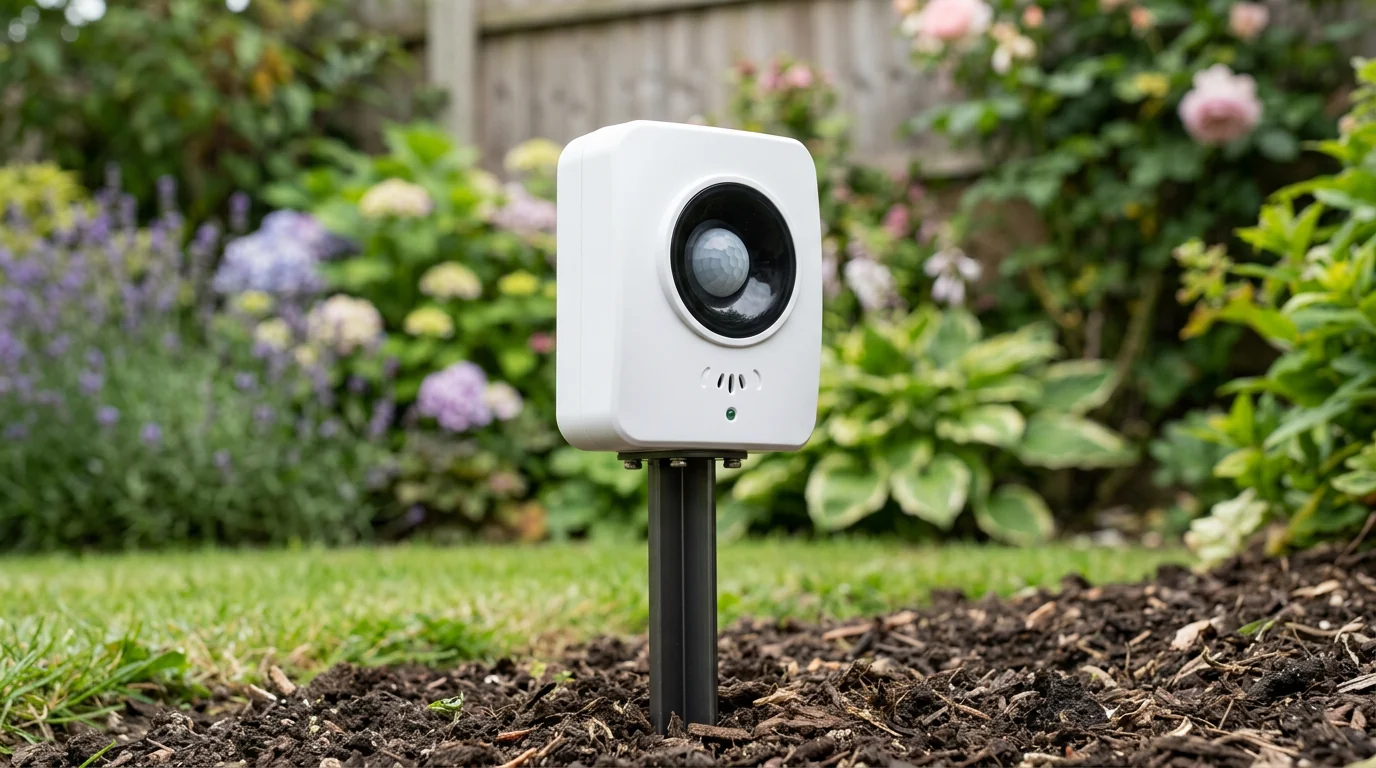

Set it up once. Enjoy your garden again.
Pair the right deterrent with the right sensor placement and British gardeners consistently see a calmer, tidier garden within a fortnight.